As an Interaction Design student at ACCD, I see my learning plan as a
balance between creativity, technical skills, and real-world
problem-solving. Interaction design is not just about making
interfaces look good. It is about understanding people, identifying
problems, and designing experiences that are both meaningful and
functional. Because of that, I try to build my skills in three areas:
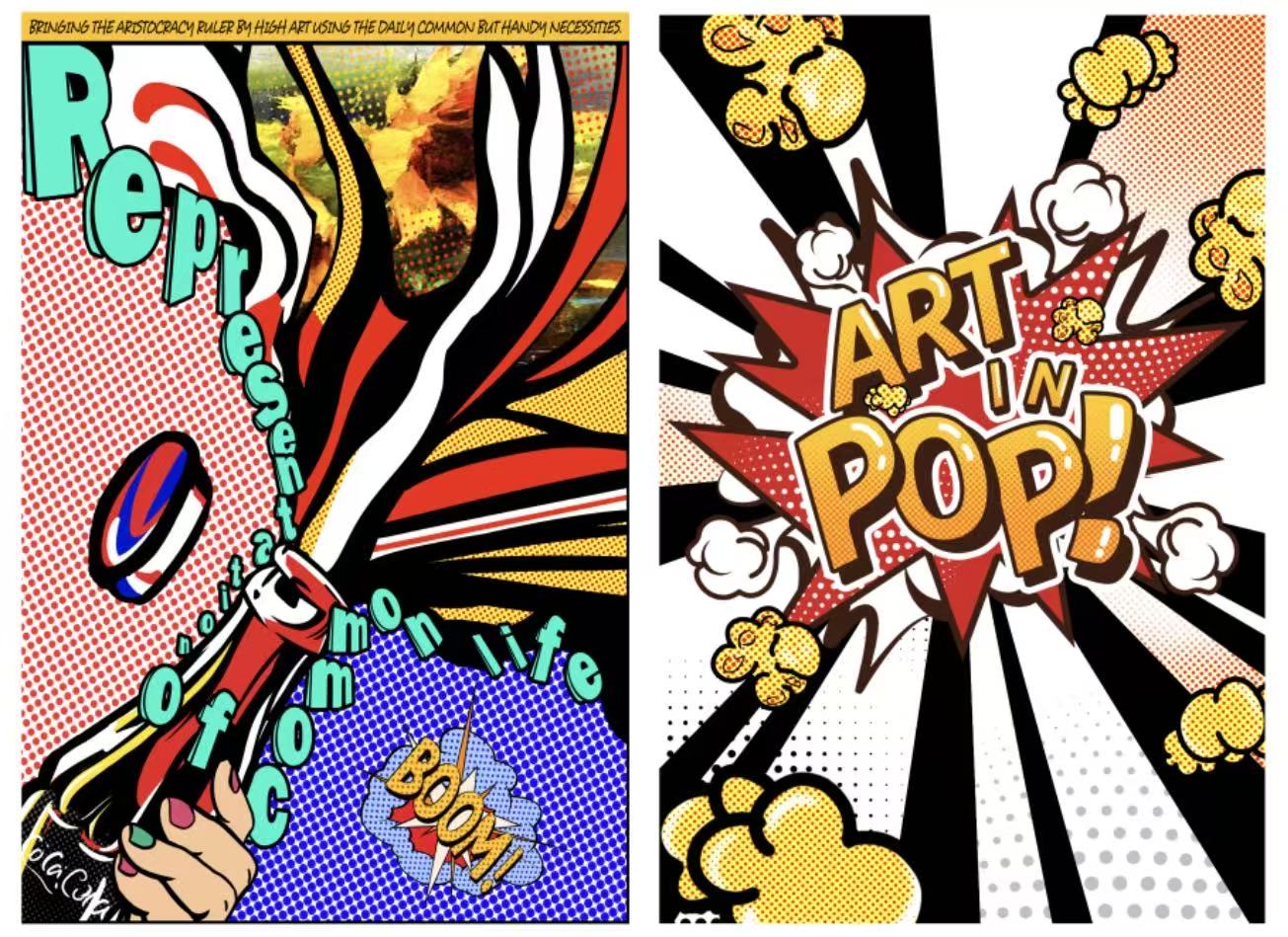
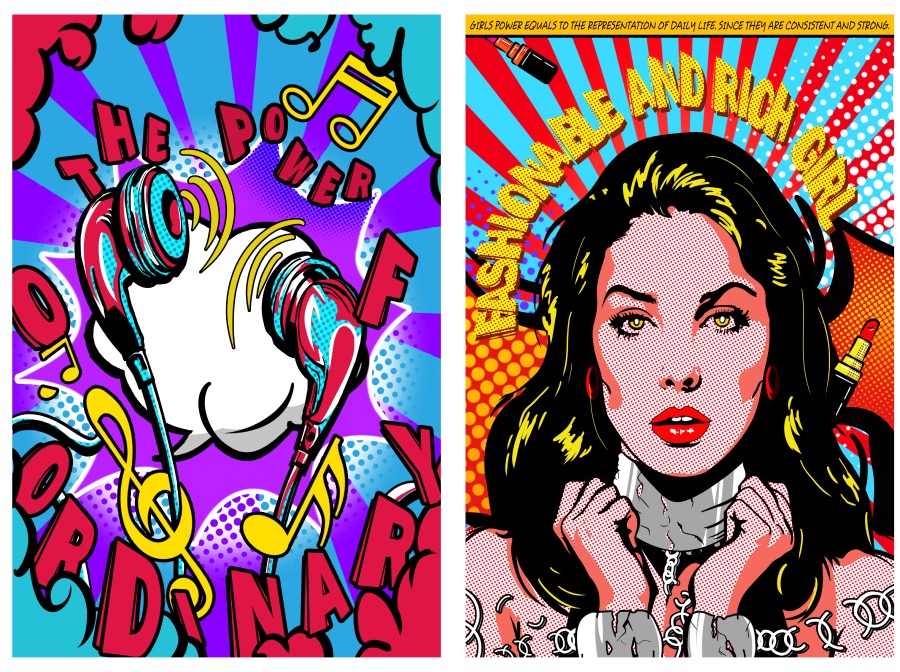
design thinking, visual communication, and prototyping.
In school, I focus on strengthening my foundation through class
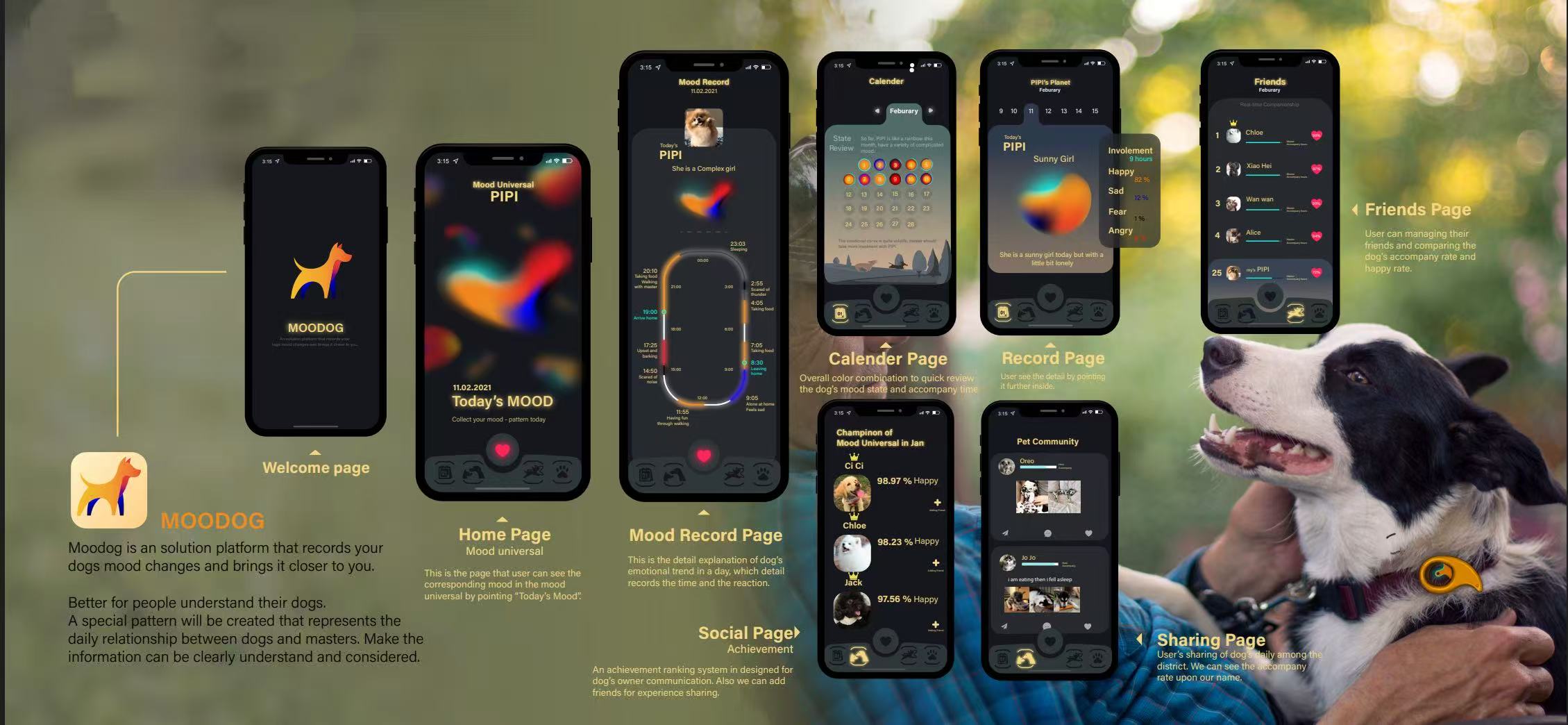
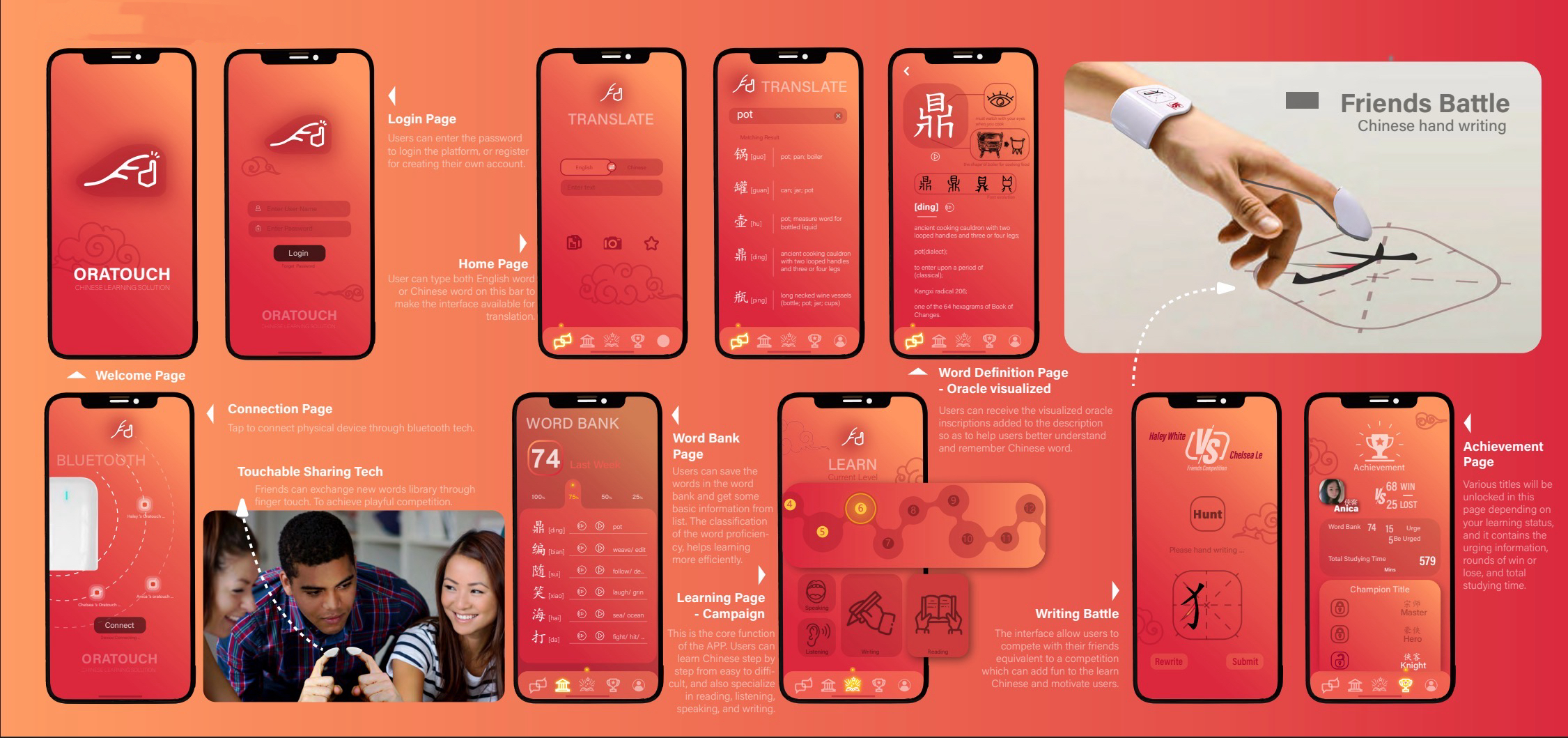
projects. I pay a lot of attention to user research, storyboarding,
wireframing, and building interactive prototypes in tools like Figma.
At the same time, I know that being an interaction designer today
also means understanding how products actually get built, so I have
been learning more about front-end basics like HTML, CSS, and simple
JavaScript. My goal is to become a designer who can not only generate
ideas, but also communicate clearly with developers and bring concepts
closer to reality.
When it comes to internships, I’ve learned that finding opportunities
takes more than just submitting applications. A strong portfolio is
the most important part, so I try to treat every school project as a
chance to build portfolio-quality work. Instead of only showing final
screens, I focus on showing my process: the problem, the research,
the design decisions, and how the final solution responds to user
needs. I’ve also realized that personal projects can be just as
valuable, especially when they reflect problems I genuinely care
about.